
Houston Home Hacks for Hot, Humid Living
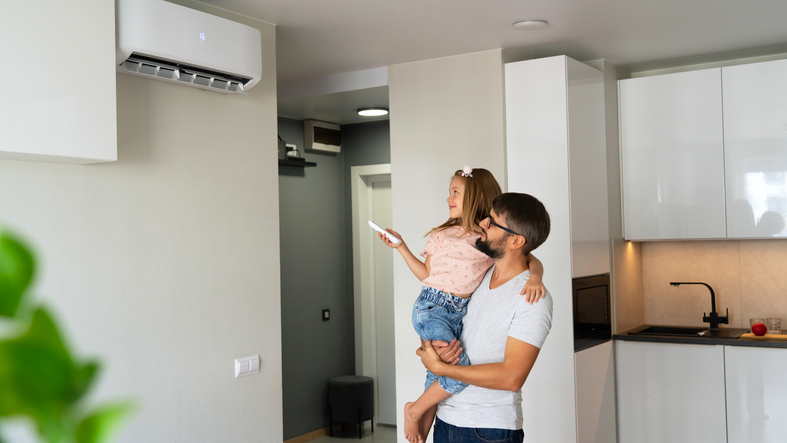
Living in Houston's hot, humid climate demands smart home strategies. Protect your HVAC with coil coatings and regular maintenance against corrosion and moisture damage. Install ceiling fans 7-9 feet high, running counterclockwise in summer to raise your thermostat 4°F without discomfort.
Use weatherstripping, caulking, and semi-translucent window films to block heat while preserving light. These small changes will dramatically improve your comfort while slashing those sky-high energy bills.
The Humidity Triple Threat: How It Damages Your Home
Why does Houston's notorious humidity pose such a serious threat to your home? When relative humidity climbs above 70%, you're facing a triple attack on your living space. First, excess moisture weakens your home's structural integrity, causing wood to rot, drywall to crumble, and foundations to deteriorate—particularly in older homes with air leakage issues.
Second, this moisture creates perfect conditions for mold growth, releasing harmful spores and musty odors that compromise indoor air quality. Flood events can dramatically increase overall indoor humidity levels, making this problem significantly worse. Third, humidity fluctuations torture your wooden furnishings and structural elements through cycles of swelling and shrinking that lead to warping and cracking.
Beyond the visible damage, you'll feel humidity's impact through decreased comfort and skyrocketing energy bills. Proper humidity control benefits extend beyond comfort—they're essential for protecting your home's long-term value.
Energy-Smart AC Sizing: The 500-Square-Foot Rule
When choosing an air conditioner for your Houston home, the widely-cited "500-square-foot rule" offers a starting point but requires careful consideration. This guideline suggests 1 ton (12,000 BTU) per 500 square feet, but it overlooks critical factors like window efficiency and insulation quality.
In Houston's notorious humidity, you'll likely need adjustments for our climate. The standard rule often overestimates the cooling capacity needed and can make it harder for your system to remove excessive moisture levels. To avoid costly mistakes, invest in Manual J load calculations that factor in your home's specific characteristics, including orientation, window types, and local climate conditions. The number of home occupants can significantly impact your cooling needs as people generate additional heat.
Remember that an oversized unit cycles too frequently, wasting energy and money, while an undersized system runs constantly without achieving comfort. Professional assessment guarantees your AC perfectly matches your home's needs.
Gulf Coast Corrosion: Protecting Your HVAC Investment
Three invisible threats lurk in Houston's Gulf Coast air, silently attacking your HVAC system: salt, humidity, and heat. Salt particles accumulate on components, trapping moisture and accelerating corrosion that reduces efficiency and increases energy bills.
With coastal climate considerations in mind, invest in protective coil coatings—either factory-applied or aftermarket sprays—to create a barrier against salt air damage. Schedule regular washing of outdoor units to remove corrosive deposits before they cause harm.
For ideal equipment longevity, don't neglect preventive maintenance. Have professionals inspect for early corrosion signs, especially on fan blades, electrical connections, and coil fins. The constant high humidity levels force your system to work overtime, significantly increasing wear and tear on vital components. Consider installing your unit in a sheltered location or using protective enclosures to minimize exposure to our punishing Gulf Coast elements.
DIY Weatherization That Actually Works
Battling Houston's notorious heat and humidity requires more than just cranking up your air conditioner. Simple air sealing techniques can dramatically improve your home's efficiency and comfort. Start by applying weatherstripping to your attic hatch and foam strips around doors and windows to prevent costly air leaks.
Tackle your home's vulnerable points by caulking window frames and door jambs with latex acrylic sealant. For expert insulation solutions without professional help, add insulation panels to the back of your attic hatch and consider water heater blankets to reduce energy waste. Installing foam gaskets behind electrical outlets and switches on exterior walls effectively blocks drafts that compromise your home's efficiency.
Don't overlook moisture control—proper ventilation prevents mold while maintaining comfort. Before investing in major upgrades, conduct a basic energy audit to identify priority areas where your weatherization efforts will deliver the biggest payoff.
Strategic Ceiling Fan Placement for Maximum Relief
Strategic placement of ceiling fans can transform your Houston home's comfort level far beyond what weatherization alone can accomplish. Install fans in room centers, 7-9 feet above the floor, avoiding walls and corners that restrict airflow. For larger spaces, multiple fans guarantee even air distribution throughout the room.
For ideal fan performance through seasonal changes, remember to run blades counterclockwise in summer to create a cooling downdraft. This simple adjustment allows you to raise your thermostat by about 4°F without sacrificing comfort, improving thermostat compatibility and lowering energy bills. Combining ceiling fans with closed blinds and curtains helps maximize cooling by blocking direct sunlight that heats indoor spaces.
In outdoor spaces, properly positioned fans mitigate Houston's humidity while naturally deterring mosquitoes. Clean blades regularly to maintain efficiency and extend fan life—a small maintenance task that yields significant cooling benefits.
Smart Thermostat Programming for Houston's Climate
Mastering your smart thermostat programming in Houston's challenging climate can slash energy costs while maintaining ideal comfort. Set your summer temperature to 78°F when home and 80-81°F when away to achieve up to 10% savings on cooling costs.
Set different zones for rooms with varied sun exposure, and utilize sleep mode settings that gradually adjust overnight temperatures. Don't forget to set up vacation mode setup before trips, enabling geofencing to reduce unnecessary cooling while you're gone.
With voice assistants like Alexa or Google, you can make real-time adjustments when unexpected weather patterns emerge. Your thermostat's motion sensors can detect when areas are unoccupied and automatically adjust temperatures for maximum efficiency. Use humidity-optimized schedules that adjust automatically based on Houston's notorious moisture levels, improving perceived comfort without overcooling.
Window Treatments That Block Heat, Not Light
Effective window treatments serve as your first defense against Houston's relentless heat while preserving natural light in your home. Cellular honeycomb shades offer impressive insulation value, with R-values between R-2 and R-7.8, while diffusing sunlight to reduce glare without darkening rooms. Motorized window treatments make it easier to operate these heat-blocking solutions with just the push of a button or through programmed settings.
Consider light-filtering options that block up to 70% of solar heat gain while maintaining natural light management. Semi-translucent insulating films and sheer fabric treatments provide UV protection without sacrificing visibility.
For kitchens and bathrooms, Polywood plantation shutters with weatherstripping block up to 30 degrees of heat while resisting humidity. The key is selecting treatments that fit securely within window openings—custom fits enhance effectiveness by preventing warm air seepage, helping you save on cooling costs while enjoying abundant daylight.
Dehumidification: Beyond Your Air Conditioner
While your air conditioner removes some moisture during normal operation, Houston's notorious humidity demands more aggressive solutions. Whole-house dehumidifier options offer comprehensive moisture control by integrating with your existing HVAC system, pulling damp air through return ducts and distributing drier air throughout your home.
These systems offer benefits beyond comfort—they improve air quality by reducing allergens and mold, protect your home's structure and furnishings, and can actually lower energy bills by reducing AC strain. With built-in humidistats, they maintain your desired humidity level automatically. These powerful units can remove up to 100 pints daily of moisture from your home's air.
For effective moisture control measures, focus on high-moisture areas like crawl spaces, laundry rooms, and bathrooms. Professional installation ensures optimal performance, though regular maintenance is necessary. The investment pays off in comfort, health benefits, and energy savings.
Cooling Your Home During Power Outages
When Houston's notorious power outages strike during sweltering summer months, keeping your home cool becomes a critical challenge. Immediately close all blinds and curtains, or create DIY window covers using cardboard and aluminum foil to block heat-generating sunlight.
For emergency battery cooling, use portable fans positioned near bowls of ice to create cooler airflow. Use a beach umbrella outside west-facing windows to provide immediate shade and reduce heat transfer into your home. Unplug all non-essential electronics to prevent additional heat when power returns. Move activities outdoors and avoid indoor cooking to maintain lower temperatures.
Consider investing in DIY solar power backup systems that pair portable power stations with solar panels. This combination can keep essential cooling devices running during extended outages. Meanwhile, stay hydrated and use damp cloths on your skin for evaporative cooling. Wear light, breathable clothing and limit physical activity during peak heat hours.
Budget-Friendly Efficiency Upgrades for Renters
Living in a rental property doesn't mean you can't improve your home's energy efficiency during Houston's brutal summers. Start with renter-friendly insulation solutions like removable window films, thermal curtains, and non-damaging weather stripping to reduce air leakage and heat gain.
Swap incandescent bulbs for LEDs and use smart power strips to eliminate phantom energy waste. Simple habits like programming your thermostat higher when you're out and closing blinds during peak sun hours substantially reduce cooling costs. Texas' Home Energy Efficiency Program (THEEP) places a high priority on cooling efficiency due to the state's unique energy challenges.
Don't overlook utility program incentives available specifically for renters. Many Houston utility companies offer rebates for energy-efficient appliances, and some programs even cover HVAC upgrades or insulation improvements. Check if you qualify for energy audits or bill assistance programs that reward efficiency measures.