A Seasonal Texas Survival Calendar for Weather, Travel, and Daily Life
Texas weather isn’t just something you deal with—it’s something that shapes how people live, move, and even see themselves. From sudden cold snaps to relentless summer heat, each season demands a different kind of awareness. Over time, that constant need to adapt has become part of the Texas identity itself.
This seasonal rhythm isn’t just about preparation—it’s about mindset. The unpredictability of Texas weather has created a culture of resilience, flexibility, and independence. Whether it shows up in film, storytelling, or everyday habits, the way Texans respond to their environment has become a defining feature of life in the state.
How Texas Weather Behaves Each Season
Texas weather doesn’t follow a gentle, predictable pattern—it shifts quickly between extremes, requiring constant adjustment. Spring can feel mild one day and volatile the next, with storms forming rapidly across the state. Summer brings intense, sustained heat that reshapes daily schedules, while fall offers a brief period of stability before winter introduces sudden cold fronts that disrupt routines.
These patterns influence more than just comfort—they shape behavior. People plan their days around temperature shifts, avoid certain hours for outdoor activity, and develop habits that reflect the realities of their environment. Over time, these adjustments become second nature, forming a rhythm that defines daily life.
In pop culture, this unpredictability often becomes part of the narrative. Texas is frequently portrayed as a place where conditions can change quickly, reinforcing ideas of toughness and adaptability. The environment isn’t just a backdrop—it’s an active force that shapes both real experiences and cultural representation.
Texas Winter Survival: Cold Snaps, Frost, and Staying Warm
Winter in Texas doesn't ease in—it arrives in violent lurches, driven by large low-pressure systems that drag arctic air south from November through March. Arctic outbreaks can push temperatures 50°F below normal, as Winter Storm Uri proved in February 2021, leaving over 4.5 million without power and causing hundreds of deaths. Your energy resilience depends on preparation before the cold hits, not during it.
Ice mitigation matters more than most Texans realize. Ice storms outpace blizzards as the greater threat, with Gulf moisture riding over cold air producing dangerous accumulations that collapse power lines and shut down travel. Two inches of ice accumulation from freezing rain alone is enough to cause tremendous damage to power distribution systems.
Northeast Texas sees the most freezing rain events, but long-duration ice strikes statewide. Stock emergency supplies, insulate pipes, and know your evacuation options before temperatures plunge. Just as security vulnerabilities at high-profile locations can be exposed without advance preparation, so too can gaps in household readiness become life-threatening when severe winter weather arrives without warning.
Texas Spring Survival: Wildflowers, Tornadoes, and Severe Weather Prep
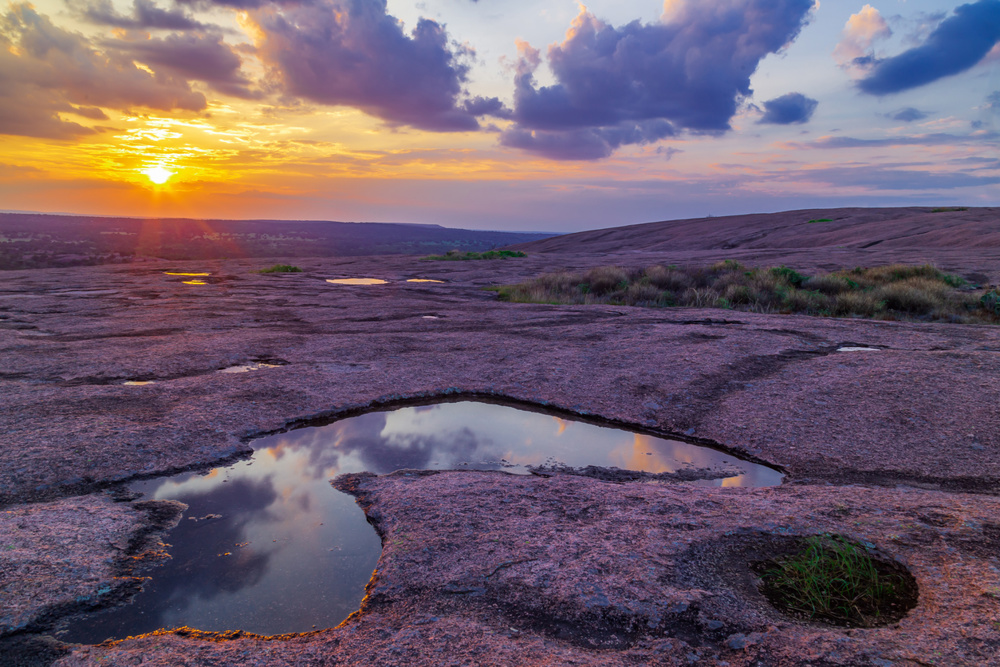
Spring in Texas creates a striking contrast. On one hand, it’s known for vibrant landscapes filled with wildflowers, attracting travelers and photographers. On the other hand, it marks the beginning of a severe weather season, where storms, flooding, and tornado risks become more frequent.
This dual nature shapes how people experience the season. Outdoor activities are balanced with awareness of changing conditions, and planning becomes essential. People learn to enjoy the environment while remaining prepared for sudden shifts, creating a blend of appreciation and caution.
In pop culture, this contrast often appears as a visual and narrative theme. The beauty of the landscape paired with underlying risk reinforces the idea of Texas as both inviting and unpredictable. It reflects a broader cultural pattern where environments are celebrated while still being respected for their intensity.
Texas Summer Heat and Storms: Staying Safe When Conditions Change Fast
Summer in Texas is defined by extreme heat and rapid weather changes. High temperatures influence nearly every aspect of daily life, from work schedules to travel plans. Outdoor activities shift to early mornings or evenings, and hydration becomes a constant priority.
This environment shapes behavior in lasting ways. People develop routines that minimize exposure to heat, adjust their expectations for productivity, and rely on strategies that prioritize safety. These adaptations become part of everyday life, reinforcing the importance of awareness and preparation.
In media and storytelling, Texas summers are often used to emphasize endurance and intensity. The heat becomes a symbol of pressure and challenge, contributing to the broader image of Texas as a place that tests resilience. It’s not just a condition—it’s part of the identity.
When to Arrive and Where to Park: Fall RV Planning for Winter Texans
Fall is prime time for Winter Texans, and timing your arrival correctly makes all the difference. Target late October through early November to secure your spot before peak season crowds arrive. Early booking is essential, especially for state parks, since fall weekends fill fast.
For basecamp selection, consider Central Texas Hill Country, where daytime temperatures stay between 50–70°F and campground prices drop with fewer crowds. Eastland works well as a central hub, while Texas Hills RV Haven Campground in Tow offers quiet, rural stays averaging 65°F during the day.
Pack layers since mornings and nights turn chilly despite mild afternoons. Before hitting the road, check your heating system, tires, and brakes. Choose parks offering Wi-Fi and monthly utility rates to keep costs manageable during extended stays. Monthly rates in Central Texas typically range 400 to 900 dollars and often include utilities, basic Wi-Fi, trash, and community facility access.
Create your own travel calendar to plan adventures and remember important trip dates.
Daily Prep Habits That Keep Winter Texans Safe All Season
Daily routines play a key role in managing seasonal risks. Small, consistent actions—checking systems, maintaining supplies, and monitoring conditions—help prevent larger problems before they develop. These habits reflect a proactive approach to living in an environment where conditions can shift quickly and without much warning.
In practice, this means integrating simple checks into everyday life. Monitoring indoor temperatures, keeping vehicles prepared, and maintaining emergency supplies become part of a regular rhythm rather than occasional tasks. These actions don’t require significant effort individually, but together they create a strong foundation for safety and stability.
Over time, these routines become automatic. They reduce uncertainty by creating predictable systems that people can rely on, even when external conditions are unpredictable. This consistency not only improves physical preparedness but also lowers stress, allowing individuals to respond more calmly when challenges arise.
How Texas Weather Shapes Its Identity in Pop Culture
Texas weather plays a significant role in how the state is represented in pop culture. Extreme heat, sudden storms, and wide open landscapes all contribute to a distinct visual and narrative identity. These elements are often used to reinforce themes of toughness, independence, and survival, making the environment an active part of the story.
In film and television, weather conditions frequently shape tone and atmosphere. Harsh sunlight can emphasize isolation, while storms create tension and urgency. These environmental cues influence how characters behave, often highlighting their ability—or inability—to adapt to challenging conditions.
This connection between environment and identity helps explain why Texas weather is so recognizable in the media. It’s not just about showing a place—it’s about conveying a feeling. The landscape and climate become symbols of endurance, reinforcing the idea that living in Texas requires strength and adaptability.
Why Adaptability Defines Texas Lifestyle Culture
Adaptability is one of the most defining aspects of life in Texas. The constant need to respond to changing weather conditions encourages flexibility in both mindset and behavior. People learn to adjust quickly, whether that means altering plans, modifying routines, or preparing for unexpected events.
This adaptability extends beyond environmental challenges. It influences how people approach work, travel, and daily responsibilities. Instead of relying on fixed routines, individuals develop systems that can shift as needed, allowing them to maintain stability even when conditions change.
Over time, this way of thinking becomes ingrained. Flexibility is no longer a reaction—it becomes a default approach to problem-solving. This mindset supports independence, as people rely on their ability to adapt rather than waiting for ideal conditions.
How Seasonal Living Influences Travel and Lifestyle Trends
Seasonal patterns have a strong impact on travel and lifestyle trends in Texas. People plan activities, events, and movements based on weather conditions, creating predictable cycles throughout the year. These patterns influence tourism, relocation decisions, and even daily routines.
For travelers, understanding these cycles is essential. Visiting during the right season can significantly improve comfort and accessibility, while poor timing can limit experiences. This makes seasonal awareness a key part of planning, shaping how people interact with different regions of the state.
These patterns also affect long-term lifestyle choices. Communities adapt to seasonal changes by adjusting schedules, organizing events, and developing routines that align with environmental conditions. This creates a rhythm that influences how people live and move throughout the year.
How Infrastructure and Housing Adapt to Texas Weather
Texas weather doesn’t just shape daily habits—it directly influences how homes and infrastructure are designed. From insulation strategies to drainage systems, buildings are adapted to handle both extreme heat and sudden cold snaps. These design choices reflect a need for flexibility in environments where conditions can shift rapidly.
Homes often include features like elevated foundations in flood-prone areas, reinforced roofing for storm resistance, and energy systems built to handle high cooling demands. In colder regions, pipe insulation and backup heating solutions become essential. These adaptations aren’t optional—they’re responses to real environmental pressures.
On a larger scale, infrastructure follows similar patterns. Road materials are selected to withstand heat expansion, while urban planning accounts for drainage during heavy rainfall. These systems aim to reduce disruption, even when weather conditions become severe.
This relationship between environment and design highlights how deeply weather influences everyday life. It’s not just something people prepare for—it’s something built into the spaces they live in, reinforcing the importance of long-term resilience.
Conclusion
Texas weather is more than a set of conditions—it’s a defining force that shapes daily life, behavior, and identity. Each season brings its own challenges and opportunities, requiring constant awareness and adaptation. Over time, this creates a culture built on resilience and flexibility.
This influence extends beyond practical living into pop culture and storytelling. The environment becomes part of the narrative, reinforcing ideas of strength, independence, and survival. It’s a reflection of how people respond to the world around them. Ultimately, understanding Texas means understanding its rhythms.