Interesting Facts About Everyday Life in Texas That Outsiders Miss
If you've never measured a road trip in hours instead of miles, eaten brisket for breakfast, or received a one-finger wave from a passing stranger, you're missing how Texas actually works. What looks like small, everyday behavior is actually part of a larger system of shared habits that shape identity across the state.
From roadside traditions to food culture and social signals, these details reveal something bigger: Texas isn’t just defined by its size or history, but by the way people move through daily life. Once you start noticing these patterns, you begin to understand how deeply they’re woven into the culture.
Why Texans Measure Distance in Hours, Not Miles?
Ask how far something is in Texas, and you’ll almost always get an answer in time. That’s not just convenience—it’s adaptation. When distances stretch across hundreds of miles and traffic varies wildly, miles stop being useful in everyday conversation.
Driving from Dallas to El Paso can take ten hours, while a short trip across Austin might take just as long during peak traffic. Over time, people learn to think in terms of duration rather than distance because it reflects real experience more accurately. It’s a system shaped not just by geography, but by daily patterns of movement.
This habit also reflects how Texans relate to space. The state isn’t measured in fixed units—it’s understood through movement and effort. Time becomes the most reliable way to navigate a place where distance alone doesn’t tell the full story, especially when conditions can change so quickly.

Why Texas Flag Pride Goes Way Beyond Bumper Stickers?
You don’t have to look far to find the Texas flag—it’s everywhere. But its presence goes beyond decoration. It functions as a shared symbol that connects people across regions, backgrounds, and lifestyles.
From homes and businesses to clothing and public spaces, the flag represents more than state affiliation. It signals belonging and identity in a way that feels immediate and recognizable. You don’t have to explain it—seeing it is enough to understand what it represents.
What makes it distinctive is how consistently it appears in everyday life. It’s not reserved for holidays or formal events—it’s integrated into daily environments. Whether it’s painted on a wall, stitched into clothing, or displayed on a storefront, it becomes part of the visual landscape.
This constant presence reinforces identity over time. The more people see it, the more it becomes normalized, turning a symbol into something lived rather than simply displayed. It reflects a culture where identity isn’t occasional—it’s continuous.
Why Texans Wave at Strangers Like They Already Know You?
Drive through Abilene's neighborhoods or along any rural Texas road, and you'll notice something that catches outsiders off guard — a single index finger lifting off the steering wheel as drivers pass each other. This polite signalling isn't rude; it means "I see you, I respect you." It's neighbor recognition without stopping traffic.
You'll spot this wave during lane changes, at crosswalks when drivers yield to pedestrians, and throughout small-town streets daily. Beyond driving, Texans extend the same courtesy through nods, hat tips, and door-holding. Studies actually rank Texans among America's politest people.
If you're visiting, don't mistake that quiet one-finger lift for something negative. It's genuine Southern hospitality compressed into the smallest possible gesture — and it fosters real community connection. Texans also commonly use the wave as a nonverbal thank you, replacing spoken words with a simple gesture that carries the same warmth and meaning.

What "Bless Your Heart" Actually Means in Texas?
Few phrases capture Texas communication style better than “Bless your heart.” On the surface, it sounds kind. In practice, its meaning depends entirely on context, tone, and delivery. Used sincerely, it expresses sympathy or concern—comforting someone in a difficult moment.
But in other situations, it softens criticism or signals disagreement without direct confrontation. It allows people to communicate negative or critical thoughts in a way that still feels socially acceptable. This layered meaning reflects a broader cultural approach to communication.
Directness is often avoided in favor of phrasing that maintains politeness while still conveying intent. The words themselves don’t carry the full message—the tone and situation do. Understanding this nuance is essential. Without it, the phrase can be easily misinterpreted. With it, you start to see how language functions not just as communication, but as a tool for managing social dynamics.
The Gas Station Food Culture You Never Saw Coming
Expectations about gas station food don’t hold up in Texas. Many locations have evolved into reliable food stops, offering meals that rival traditional restaurants in both quality and variety. This shift is driven by practicality. Gas stations sit along high-traffic routes, making them ideal locations for food businesses.
Lower overhead costs allow operators to focus on quality ingredients and specialized menus, often influenced by regional or cultural traditions. As a result, these spaces have become known for more than convenience. Some locations develop reputations for specific dishes, drawing people in for the food rather than the fuel. It changes how the space is used—turning a quick stop into a destination.
For locals, this is part of the routine. Stopping for gas often includes grabbing a meal, combining two everyday tasks into one experience. It reflects how spaces in Texas often serve multiple purposes, adapting to practical needs.
Crack open more surprising stories from Texas.
How Breakfast Tacos and Kolaches Run Texas Mornings?
Mornings in Texas are built around food that’s fast, familiar, and consistent. Breakfast tacos and kolaches fill that role, offering portable options that fit easily into daily routines. Whether someone is heading to work, school, or a long drive, these foods are designed to move with them, turning breakfast into something efficient without sacrificing familiarity.
These foods work because they combine convenience with predictability. They can be eaten on the go, require no preparation, and are available almost everywhere—from gas stations to small local shops. People tend to return to the same places, order the same combinations, and expect the same quality, which turns these meals into daily habits rather than occasional choices.
Like bagels in New York, these foods define a shared moment in time. They connect people through routine, even if they never interact directly. Over time, breakfast tacos and kolaches become more than just food—they shape how mornings feel and function across the state, reinforcing a rhythm that’s widely understood.
Why Texas Barbecue Takes All Day
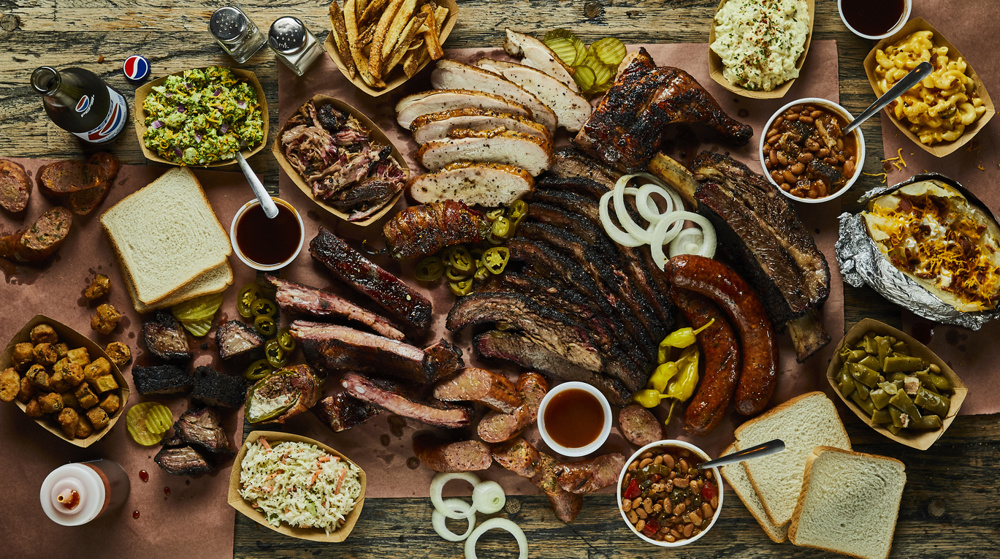
Barbecue in Texas isn’t designed for speed—it’s built around time. The process requires patience, with long cooking hours that allow flavors to develop gradually. Meat is smoked slowly at controlled temperatures, making time an essential ingredient rather than a limitation.
This approach emphasizes control and consistency. Maintaining steady heat, managing smoke, and monitoring the process over many hours requires experience and attention. It’s not something that can be rushed without losing quality, which is why the process itself becomes just as important as the final result.
The time investment also adds meaning to the experience. Waiting in line or planning around cooking schedules turns barbecue into something intentional rather than purely functional. It reflects a broader cultural value—knowing when to slow down and commit to the process, even in a fast-moving environment.
Why Friday Night Football in Texas Feels Like Church
Texas doesn't do anything halfway — not its barbecue, and not its football. Friday night games aren't just sporting events; they're a community ritual drawing entire towns together like Sunday morning services. You'll see alumni, families, students, and lifelong residents all converging on the same field, filling every seat with a shared sense of purpose and belonging.
The sacred spectacle starts long before kickoff. Bands, drill teams, and color guards spend months preparing under brutal summer heat. Homecoming week adds bonfires, parades, pep rallies, and mums — tokens that carry genuine emotional weight for students.
This tradition stretches back to the early 1890s, and the UIL formalized it by 1920. What you're witnessing on that Friday night isn't just a game — it's decades of cultural identity playing out under stadium lights. Across the state, 1,267 high school stadiums collectively hold over 4.4 million seats, a number that speaks volumes about just how deeply this culture is built into the Texas landscape.
Texas Homecoming Mums Are Bigger Than You'd Ever Expect
Homecoming mums have evolved from simple gestures into highly visible displays of effort and creativity. What once started as a small token has grown into something elaborate, reflecting personal expression and participation in the event.
Their size and complexity signal involvement. The more detailed the mum, the more it represents time, effort, and connection to the tradition. It becomes a visual indicator of engagement, showing how much someone is invested in the experience.
This transformation highlights how traditions expand over time. As expectations grow, so does the level of detail, turning something modest into something highly noticeable. At their core, these displays reinforce connection by linking individuals to a shared cultural moment.
Why Texans Pull Over on the Highway for Bluebonnet Photos Every Spring
From oversized mums to roadside wildflowers, Texans don't need much excuse to turn everyday moments into full-blown traditions. Every spring, you'll spot families pulling over on Texas highways to photograph their kids and dogs surrounded by brilliant blue blooms.
This bluebonnet tradition runs deep — the Texas Department of Transportation has scattered 30,000 pounds of seed annually along roadsides since the 1930s, making these vibrant displays impossible to miss. Peak blooms hit late March through early April, though timing shifts yearly with rainfall. If you're joining in, roadside etiquette matters. Pull completely off the pavement, watch for traffic, and avoid crushing new growth.
Picking flowers isn't illegal, but locals discourage it. For the best shots, get low to the ground and shoot during golden hour. The bluebonnet earned its place as Texas's state flower when the Legislature officially designated it on March 7, 1901.
How Texas Culture Becomes Instantly Recognizable in Pop Culture
The consistency of everyday behaviors is what makes Texas culture so instantly recognizable in the media. Films, shows, and music don’t need to explain these details—they simply present them. Because these elements are repeated so often in real life, audiences quickly learn to associate them with a specific place and identity.
A long open road, a barbecue scene, a Friday night football game, or a roadside stop all communicate without additional context. These visuals act as cultural shortcuts, allowing viewers to immediately understand where they are and what kind of environment they’re seeing. Even small details—like a casual wave or a breakfast taco—can signal Texas in ways that feel natural and familiar.
This visibility creates a feedback loop between real life and representation. Everyday behaviors influence how Texas is portrayed in the media, while those portrayals reinforce the same behaviors over time. As a result, these habits become part of a shared cultural understanding that extends far beyond the state itself, making Texas identity recognizable even to those who have never experienced it firsthand.
Conclusion
What makes Texas unique isn’t just its size or history—it’s the consistency of its everyday life. The way people measure distance, share space, communicate, and build routines creates a system of habits that define the culture from the ground up.
These behaviors might seem small in isolation, but together they form something recognizable and enduring. They shape how people experience the state and how others perceive it from the outside. Understanding Texas means paying attention to those details. It’s not just about where you go—it’s about how people live when they get there.