Why Texas Identity Keeps Expanding in Pop Culture
Texas identity keeps expanding in pop culture because it functions as a flexible cultural framework rather than a fixed definition. It allows people from different backgrounds to participate without giving up their own identities, making it both inclusive and recognizable. From cowboy imagery to modern creative hubs like Austin, Texas doesn’t just appear in pop culture—it actively shapes it.
What makes this identity especially powerful is its ability to evolve. It blends history, myth, and lived experience into something that feels both familiar and constantly changing. The result is a cultural presence that continues to grow, adapting to new voices while maintaining a strong, recognizable core.
Why Does Texas Identity Hits Different in Pop Culture?
Texas identity stands out because it manages to unify a wide range of experiences without reducing them to a single narrative. Symbols like the lone star, cowboy imagery, and football culture create a shared reference point that people can recognize immediately, regardless of their background.
At the same time, this identity doesn’t replace individual experiences—it layers on top of them. Someone can be deeply connected to their cultural, ethnic, or regional identity while also identifying as Texan. This flexibility makes Texas identity especially effective in storytelling, where characters can carry multiple layers without losing clarity.
In pop culture, this creates a powerful combination. The identity is broad enough to include different perspectives, but specific enough to remain distinct. This balance is what makes it memorable and widely adaptable across media.
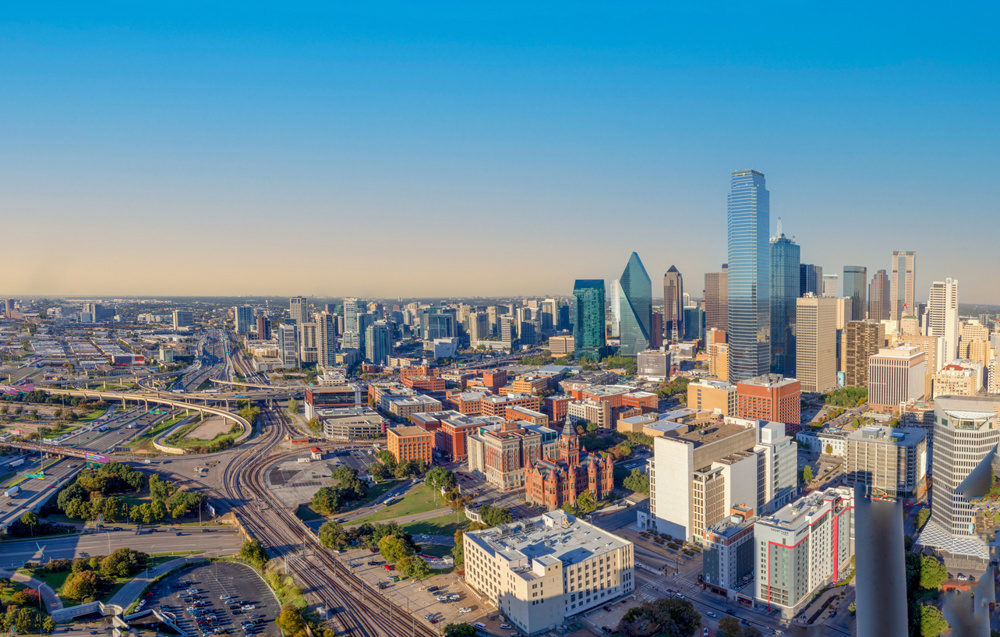
How Hispanic, Black, and Immigrant Texans Built the Cultural Foundation
Texas identity is rooted in contributions from diverse communities that shaped its culture long before it became a pop culture symbol. Hispanic and Tejano traditions, for example, form a foundational layer, influencing language, music, food, and daily life across the state.
Black communities have also played a major role in shaping Texas culture, particularly through music, food, and social movements. Events like Juneteenth, which originated in Texas, highlight how cultural practices rooted in history continue to influence both local and national narratives.
Immigrant communities add another layer, bringing new perspectives while integrating into existing traditions. These contributions don’t replace earlier influences—they expand them. As a result, Texas identity continues to grow through real lived experiences rather than remaining fixed in a single historical moment.
The Historical Myths Still Shaping How Texas Sees Itself
Beneath the celebrated imagery of cowboys, frontier heroes, and the Alamo lies a more contested story — one where myths weren't just invented for entertainment but deployed to consolidate power. Ranger mythology positioned Anglo-European settlers as noble protectors, erasing the Rangers' documented role in Cherokee slaughter, Tejano dispossession, and ethnic cleansing across the Nueces Strip.
Alamo mythmaking crafted a heroic Anglo narrative while expelling the very Tejanos who fought alongside them. Post-San Jacinto, authorities seized Hispanic homes, livestock, and land — then buried those facts beneath Hollywood iconography.
You're inheriting a Texas identity built on selectively edited history. Whoever controls that history controls the culture. Many Texans still reject revisionist accounts, choosing mythology over evidence — which means this power structures don't just persist in the past. They persist in you. Doug J. Swanson's Cult of Glory dismantles that mythology as a sweeping corrective history, exposing the documented brutality behind the Rangers' celebrated image.
How Texas Music Scenes Became a Cultural Export
What you hear when Texas music hits isn't one sound — it's dozens of cultures colliding. Spanish, Mexican, German, Czech, and African American traditions fused into something entirely original — Tejano blending folk with polka, Western swing mixing country, blues, and jazz into a distinct Texas Sound.
That collision didn't stay local. Recording hubs like Austin turned cross-cultural experimentation into exportable identity. Festivals like ACL and SXSW became global festival export engines, drawing millions and broadcasting Texas creativity worldwide. Artists like Norah Jones, Lucinda Williams, and Los Super Seven carried that diversity beyond state lines.
What made it stick wasn't just talent — it's the infrastructure. Independent promoters, radio stations, and iconic venues like Antone's and Stubb's built an ecosystem that amplified Texas music into a recognizable global force. Artists have long found that the sheer size of Texas provides enough live performance opportunities to sustain full careers without ever leaving the state.
Check out MrPopCulture.com and learn more about pop culture trends in Texas!
Why Texas Cowboy Culture Still Dominates Film and Country Music
The cowboy remains one of the most recognizable symbols associated with Texas. In film and music, this figure represents independence, resilience, and self-reliance—qualities that continue to resonate with audiences. The visual language is simple but powerful: open landscapes, solitary figures, and a sense of control over one’s environment.
Modern portrayals have expanded this image in meaningful ways. Earlier representations often focused on a narrow, idealized version of the cowboy, but contemporary media introduces more diverse perspectives that better reflect the reality of Texas culture. Stories now include different racial, cultural, and social backgrounds, showing that the identity was never as singular as it once appeared.
Despite these changes, the core idea remains consistent. The cowboy functions as a narrative tool that communicates strength and individuality without requiring explanation. It can be placed in different contexts—traditional Westerns, modern dramas, or even music videos—and still convey the same underlying message.
How Texas Culture Stays Embedded in American Pop Culture
Texas culture remains deeply embedded in American pop culture because it consistently appears across multiple forms of media. Television shows, films, and music all reinforce elements of Texas identity, making them familiar even to people who have never visited the state. These appearances created a layered understanding that becomes more reinforced over time.
These repeated appearances create a feedback loop that strengthens the identity. Pop culture shapes how people perceive Texas, often simplifying or amplifying certain traits, while Texas continues to influence the stories being produced. This interaction keeps the identity active rather than static. It doesn’t just exist in one form—it shifts slightly depending on the context, while still maintaining a consistent core.
Over time, these elements become part of a shared cultural understanding. References to Texas don’t require explanation because they are already embedded in collective awareness. A single image or phrase can evoke an entire set of ideas, from independence to scale to cultural diversity. This level of recognition is what keeps Texas identity firmly rooted in the broader pop culture landscape—it functions as both a specific place and a symbolic concept at the same time.
How Texas Identity Adapts to Modern Pop Culture Trends
As pop culture evolves, Texas identity continues to adapt alongside it. New industries, particularly technology and media, have introduced perspectives that reshape how the state is represented. The traditional imagery of ranches and open land still exists, but it now coexists with scenes of startups, music festivals, and creative communities. This layering of old and new allows Texas to remain recognizable while still feeling current.
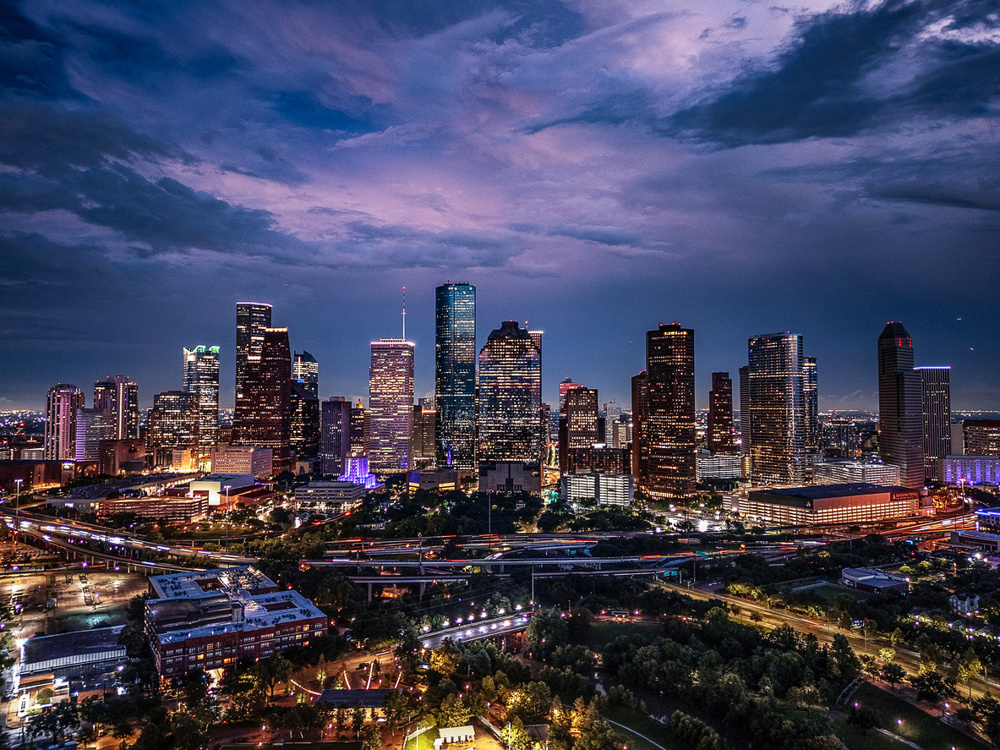
Austin plays a central role in this shift. Its association with innovation, film, and music has added a modern dimension to Texas identity, one that emphasizes creativity and experimentation. This doesn’t replace the state’s historical image—it expands it. The coexistence of these identities makes Texas more complex, allowing it to fit into a wider range of narratives in pop culture.
This adaptability ensures long-term relevance. Instead of being confined to a single stereotype, Texas identity evolves with cultural trends, absorbing new influences while maintaining its core characteristics. This balance between consistency and change allows it to remain both familiar and dynamic, which is essential for staying visible in an evolving media landscape.
Why Texas Works as a Pop Culture Archetype
Texas functions as a pop culture archetype because it represents larger ideas in a simplified and immediately recognizable form. Concepts like independence, ambition, scale, and self-reliance are all tied to its image, making it an efficient storytelling tool. When creators use Texas as a setting or reference point, they can communicate these ideas quickly without needing extensive background explanation.
This clarity is what makes the archetype so effective. A Texas character or environment carries built-in meaning, allowing stories to establish tone and context almost instantly. This efficiency is especially valuable in film, television, and music, where time and attention are limited. The audience already understands the symbolism, which allows the narrative to move forward more smoothly.
At the same time, the archetype remains flexible. Texas can represent tradition in one story and innovation in another, depending on how it’s framed. It can be rural or urban, historical or modern, grounded or exaggerated. This range allows it to fit into different genres and themes without losing its identity. The archetype works because it is both specific enough to be recognizable and broad enough to be adaptable.
How Media Keeps Reinventing Texas for New Audiences
Each generation encounters Texas through different forms of media, which reshapes how the identity is understood. Older Western films presented a more singular, mythologized version of the state, focusing heavily on frontier life and individualism. Modern television, film, and music introduce more varied perspectives, reflecting changes in society and culture. These new interpretations don’t erase the old ones—they build on them.
This constant reinterpretation prevents the identity from becoming outdated. Instead of repeating the same imagery, the media updates it to align with current values and experiences. New stories highlight different aspects of Texas, from its diversity to its evolving industries, allowing the identity to remain relevant without losing its historical foundation.
As a result, Texas identity remains dynamic. It continues to grow as new creators contribute their perspectives, adding layers to an already complex cultural image. This ongoing evolution ensures that Texas stays visible in pop culture, not as a static idea, but as a living, adaptable concept that changes alongside the audiences engaging with it.
Conclusion
Texas identity continues to expand in pop culture because it is built to adapt. It combines strong, recognizable symbols with the flexibility to include new voices and perspectives. This balance allows it to remain both consistent and evolving at the same time.
Rather than being defined by a single story, Texas exists as a collection of overlapping narratives. History, culture, and modern influence all contribute to how it is represented, creating a layered identity that feels both familiar and complex.